Thursday, February 6, 2020

Why Keto Diet Is Bad Long Term

Why Keto Diet Is Bad Long Term
By Jessica Matheson
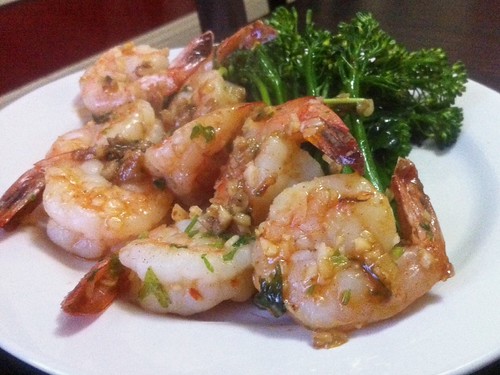

In order to understand why the Keto Diet is bad long-term, you need to understand how the Ketogenic Diet works in the first place. A Keto Diet is one which is very low on carbohydrates, which is one of the main sources of energy for the body.
During digestion, the body breaks down foods rich in carbohydrates and produces glucose, which is used as the main fuel source for energy to run the body. When the body is deprived of carbohydrates, it switches its fuel source from glucose to fat and ketones. This stage is known as ketosis, where the body relies on fat and ketones as its main fuel source for energy. The body goes into this state usually within 3 or 4 days after you start the diet.
This switch in diet is normally accompanied by various symptoms such as irritability, headache, concentration problems, dizziness, bad breath, stomach pains, difficulty sleeping, constipation, confusion and many others. For this reason, these symptoms are also called the Keto Flu.
Normally, the symptoms of the keto Flu subside within a week, and the body begins to lose weight. The weight loss can often be quite visible and dramatic. Most people could be very happy to see the diet working after all. But this can come with some negative effects that can be bad or even dangerous to your health.
You need to understand that your body needs a balanced diet for healthy living. As soon as you start deriving your body of certain kinds of otherwise healthy foods, there is an imbalance created in your system that can give rise to nutrient deficiencies. If your body continues to experience nutrient deficiency on a long-term basis, it can pose a number of risks to your general well-being.
Nutrient deficiencies can result in dehydration and electrolyte imbalance, which is quite well-documented. A Ketogenic Diet also tends to be low in fiber and minerals like potassium, calcium, magnesium, and vitamins A, B and B6. Therefore, you need to increase your water intake. You would also need to consult your physician for appropriate supplementation to help avoid a long list of health conditions that can accompany nutrient deficiency.
But by far, the biggest problem with this form of diet is sustainability. When you deprive your body of your favorite foods, your body might begin to increase cravings, forcing you to give up your diet. And when you go back to eating normally once again, the rebound weight gain could be dramatic as well. This could be accompanied by side effects again, as your body begins to readjust back to glucose as its main fuel source for energy.
For all these reasons, the Keto Diet cannot be used as a long-term solution for weight loss. If you wish to lose weight in a hurry for the short term, and are ready to go through uncomfortable symptoms, then perhaps you can try this solution. But it could be a bad idea to go for this lifestyle as a permanent and long term solution for losing weight.
A better way to lose weight is to go for a more wholesome and multi-pronged approach. Click here to watch this short presentation on how to lose weight the easy way, and also learn more about why Keto Diet's Bad Long Term.


Wednesday, February 5, 2020

4 Natural Ways to Lose Weight by Dr. Amy Lee, Bariatric Physician

4 Natural Ways to Lose Weight by Dr. Amy Lee, Bariatric Physician
By Cindy Chery


Dr. Amy Lee has credentials in Internal Medicine, Physician and Obesity Medicine Specialty. Celebrity pays her thousands of dollars to help them lose weight.
The American Board of Internal Medicine, NBPNS & American Board of Obesity Medicine has awarded Dr. Lee for her work.
Detailed Summary of the video is written below.
Purpose of video: Improve digestion and process food with maximum efficiency
Three harmful foods to avoid:

  1. Yogurt- Steer clear especially of ones that containing corn syrup,

    Beware of yogurt that claims probiotics,

    DO NOT buy children yogurt pops

  2. Wheat Bread- Most have #1 fat forming ingredient high fructose corn syrup

    Fructose is a chemical that isn't recognized by our brains, it confuses our ghrelin (a hormone that tells you when you're hungry) and disrupts leptin production (hormone of "feeling full"). When the two hormones are disturbed, you don't know when you're hungry or full. Therefore it tells your body to eat more and more.

    High-Fructose Corn Syrup- This is 20x sweeter than sugar, make you addicted to carbs and sweets. It is 8x addictive as cocaine or heroin. Our bodies are never designed to digest unknown substances like corn syrup, so it converts it to fat.

  3. Cereal bars- Most contain corn syrup, fructose- leads to lots of weight gain

    NATURAL Fat loss helpers:
The Fat loss Helpers:


  1. Allows you to get away with eating foods that you shouldn't because you'll digest them better

  2. NEVER eat Olestra (fat-free potato chip), or Olean

    Exercise is no longer just enough to lose weight because of bad food we eat.

  3. You'll need substantial dieting and dieting is usually temporary meaning you'll probably gain the weight right back.

  4. Poor digestion is one of the most common causes of weight gain. Tackling this can also lead to decrease in acne

  5. The FOUR fat loss helpers based on these problems:

    1. Food preservatives- Make old foods look fresh and new, preservatives prevent bacteria from breaking down foods, and this also makes it harder for our stomach to break it down as well. Leads to bloating and gas, constipation, etc... preservative also makes it hard for our body to get nutrients out of food

    Solution- take digestive enzymes that cut through preservatives and aids in digestive foods. Make sure you get digestive enzymes that have the following. Reasons why celebrities are usually thin. These allow you to get nutrients from your food.

  • Lipase

  • Amylase

  • Bromelain - has properties that fight inflammation and digestion of grains

    90% success rates
2. Bad gut bacteria- candida, feeds on sugars and sweeteners and overgrow, slow metabolism, deprave energy and also responsible for yeast infections. These bacteria can Hijack hormones and create cravings you may not have had before like carbs and sweets

Solution- taking probiotics add good bacteria to the diet which benefit digestive system. It is better than multi-bacteria. Also, boost sex drive (yay!)
Probiotics- choose one that contains at least 10 unit strains of bacteria in colony forming units per capsuleNucific
3. Overeating- may be the most effective fat buster. your body digest some foods and the rest gets converted to fat
Solution- Caralluma Fimbriata
Caralluma Fimbriata- it is a root that helps reduce appetite and waist measurement. FDA grass notified. Confirmed safe by six studies.
4. Slow metabolism
Solution: EGCG
EGCG- green tree extract in its purest form. Fires up your digestive system. It is proven a metabolism booster. Combined with exercise it boosts fat oxidation rate (rate your body burns fat all day long and even at night). Tested in mice and shown results. In human, ingesting green tea extract before a 30-minute cycling exercise increases fat oxidation rate by avg 17%.
Finally, These fat loss helpers can be expensive individually. Therefore, Dr. Lee recommends Bio X 4 which combines all of the fast loss helpers. It isn't a diet pill; it helps your digestive system, curb appetite and also supports excess metabolism and more...


Top 3 Weight Loss Pitfalls

Top 3 Weight Loss Pitfalls
By Ann Musico


You may think you are doing everything right and still your weight loss efforts are stalled, or worse, you find the scale going in the wrong direction! Maybe you successfully lost weight, but now the number on the scale is creeping back up. What's going on here? Well there are a few common pitfalls people tend to slip into without realizing they are sabotaging their efforts. Here are the 3 most common:
1. Skimping on Protein. Starting your day with a complete protein will increase chemicals in the brain that not only improve sleep but also improve your mood due to their tryptophan content. This amino acid is a precursor to serotonin the feel-good hormone that keeps you feeling happy and motivated. Serotonin becomes melatonin, which helps you sleep at night. Fewer than 6 hours of sleep per day is associated with low-grade chronic inflammation, insulin resistance, increased risk for obesity and Type 2 diabetes. Sleep is critical for maintaining healthy weight and protein is important for restful sleep. Adequate protein in the morning blunts appetite throughout the day and studies showed starting the day with clean protein instead of carbs can reduce risk of fatigue by up to 75% for 6 hours and double your energy within 30 minutes! (A better workout!) One study found women who included protein at breakfast lost weight 65% faster.
2. Doing the same workout day in and day out. When you follow a consistent exercise program, your body gets more efficient and you no longer burn as many calories. You either have to increase the intensity or change your routine regularly if you want to maintain your weight loss. Your body is Intelligently created and when you do the same 3 miles on the treadmill or the same kettle bell workout every day, your body adapts. Just vary your routine - the intensity, number of reps, speed, and even the specific exercises every few weeks to keep your body surprised and burning the maximum number of calories. It is one of my recommendations in my book, Today is Still the Day.
3. Not Drinking Water. Don't get so caught up in eating healthy foods that you overlook drinking adequate water. Staying hydrated reduces hunger, increases the number of calories you burn and improves your body's ability to burn body fat for energy. Drinking 16 oz. 15-30 minutes before meals boosts metabolism 24-30% over the next hour to 1.5 hours.
My basic recommendation is one half your body weight in ounces and including ¼ tsp. of natural, unprocessed salt for every 32 oz.
Are any of these pitfalls hindering your efforts?
Ann Musico is a holistic health coach and independent nutritional consultant. She has developed a "3-D Living Program" to assist her coaching clients in achieving vibrant health and wholeness - spirit, soul and body. Visit her website at https://www.threedimensionalvitality.com to learn more about the "3-D Living Program," her book, Today is Still the Day, as well as the coaching packages she offers. Subscribe for her free monthly newsletter and weekly email messages.
Health is more than just the absence of illness. Let Ann show you how to create a life of passion and purpose, wholeness and harmony.


Sunday, August 16, 2009

10 Ways To Include Some Extra Fruits And Veggies In Your Family’s Daily Routine

We all know by now that we should be ingesting at least 5 servings of fruits and veggies each day. But knowing and doing are two different things, aren’t they? Sometimes it is just not easy to include them all in there. We are constantly tempted to fill up on convenience and junk food. If your family is anything like mine, they’d much rather fill up on a bag of chips or a bowl of rice or pasta instead of trying an apple or a plate of steamed broccoli. So we’ll have to get creative. Here are a few ideas to “sneak” some more veggies and fruits in your family’s diet.

1. Start off the day with a breakfast smoothie. All you have to do is put some fruits, low-fat yogurt and ice in a blender. You may also want to place a scoop of protein powder in there for good measure. To make it even more interesting for your kids, use some frozen yogurt or a scoop of ice cream in the smoothie. They won’t believe that you are letting them have ice cream for breakfast.

2. Dried fruit makes an wonderful snack any time of the day. Put some small boxes of raisins in your child’s lunch box, pack some yogurt-covered raisins in your spouses briefcase and keep some trail mix sitting around for snacking. You can also put dried fruit in oatmeal and cereal in the morning. My family loves banana chips in their breakfast cereal.

3. Add some fruits and vegetables in your family’s sandwiches. You can put some banana, sliced apples or strawberry slices to a peanut butter sandwich. Top off a turkey sandwich with lettuce, tomato, cucumber and anything else they will eat. You can even make a deli style vegetable sandwich by combining several different veggies with some mayonnaise and cheese on bread.

4. Create a salad bar at dinner. Set out a variety of chopped vegetables, some cheese and croutons as well as several choices of salad dressing along with the lettuce and let everybody create their own perfect salad.

5. Make them drink their fruits and vegetables. Keep an assortment of fruit and vegetable juices in the fridge and encourage everyone to drink them as a snack. Get creative. You could start “family cocktail hour” by pouring everybody a glass of his or her favorite juice over ice. Add some straws, cocktail umbrellas and sit together to talk about how everybody’s day went.

6. Try this for dessert. Place a small scoop of ice cream or frozen yogurt in a bowl and top it with lots of fresh or frozen fruit.

7. Offer fruits and vegetables as snacks. You can cut apples into slices and top them with peanut butter or cheese. Cube cheese and serve with grapes. Cut up some fresh veggies and serve them with ranch dip. And of course there’s ants on a log. Spread some cream cheese or peanut butter on the inside of a stick of celery and sprinkle raisins on it (wow, fruit and vegetable in one snack).

8. Try some new fruits and vegetables. Pick something exotic to get your family’s curiosity. With a little luck their curiosity will outweigh their initial apprehension to trying something new. You could try artichokes, plantains, papaya, mango, star fruit, or anything else you can find in the produce department of your local store.

9. Cook a pot of vegetable soup or a stew that’s heavy on veggies and easy on the meat. Both of these make some great comfort food when the weather gets cold.

10. Start “My Vegetable Day”. Each family member gets to pick a vegetable one day of the week. They qualify to pick a vegetable as long as they tried each vegetable the week before, otherwise they loose a turn and Mom gets to pick.

Incorporate a few of these ideas and you will have everyone in your family eating more fruits and veggies in no time.

Here is a bonus tip:

Now that everyone in the family has gotten a taste for it, make sure you always have plenty of fresh fruits and veggies available and ready to snack on.

For more information Click Here


Friday, August 14, 2009

Tasty Ways to Reduce Cholesterol With Out Drugs

Cholesterol is a wax-like product that is present in the cell membranes of body tissues and is carried in the blood plasma. It is a sterol; a combination of alcohol and steroid and is also called atherosclerotic plaque. The body requires cholesterol in order to form and sustain cell membranes, help with the production of bile and helps with the breaking down of fat soluble vitamins.

Over time, cholesterol builds up on the artery walls and this condition is known as atherosclerosis. Atherosclerosis was thought to be an affliction of the elderly until the 1950's when American pathologists were sent to Korea by the Pentagon to study the bodies of servicemen who died during the conflict. They autopsied around 2000 soldiers and found that about 75% had waxy, yellow deposits on the walls of their arteries; a shocking statistic considering the average age of the soldiers was 21. Their findings astonished the scientific community as it highlighted the onset of heart disease in the very young.

bad and good Cholesterol

There are two separate types of cholesterol; low-density lipoproteins (LDL) and high-density lipoproteins (HDL). HDL is commonly labeled as 'good' cholesterol and LDL is known as 'bad' cholesterol. LDL has been negatively linked with heart disease, while HDL is thought to reduce the chance of a heart attack. It has been estimated that approximately one quarter of Americans are at risk from heart disease due to atherosclerosis, and around 1/10 have such high levels that doctors are left no choice than to prescribe cholesterol reducing drugs.

Foods that Lower LDL Cholesterol

There are a number of foods which are believed to significantly lower LDL cholesterol. Fiber-rich foods are said to be particularly beneficial and will not only lower 'bad' cholesterol, but also help the bowel to function properly, lowering the risk of colon and bowel cancer. There are many other foods that can help the body fight back against these dangerous deposits.
Fiber-rich foods, particularly oat bran, barley and wheat bran.
Beans and pulses are high in fiber and low-fat. They also contain lecithin, a nutrient that reduces cholesterol.
Avocado contains prolific amounts of monounsaturated fat, which helps to reduce LDL cholesterol and has many other health benefits including anti-cancer properties
Raw carrots are rich in pectin that is renowned for minimizing cholesterol. There are several fruits that also contain pectin, including; apples, citrus fruits, strawberries, raspberries and other red or black berries
Shitake mushrooms are widely used by the Japanese and include a substance called lentinan, which not only reduces cholesterol, but is also thought to be anti-cancerous and may help to boost the immune system
Garlic is a super food and is well known for its blood-thinning properties. It also contains a substance allicin which is thought to prevent the body from retaining LDL cholesterol and research has shown that the equivalent of one clove per day can lessen ldl cholesterol by ten - 15% in the majority of people
Root ginger has been used in Chinese medicine for centuries and has numerous health benefits. It can be added to stir-fry's (using healthy sesame oil) and other vegetable dishes
Nuts are naturally high in omega-3 fatty acids and are known to significantly reduce blood cholesterol; walnuts, pecans, hazelnuts and almonds are especially beneficial
Sesame seeds are high in phytosterols. These compounds are said to substantially lessen LDL cholesterol. Other foods containing phytosterols include; celery, lettuce, asparagus, spinach, tomatoes, ginger, squash and strawberries
Safflower, canola, soybean, and olive oil are monounsaturated and are an excellent source of omega-3 fatty acids. Research indicates that they can reduce atherosclerotic plaque by up to fifteen% when eaten on a regular basis
Salmon, tuna, sardines and mackerel contain considerable amounts of omega-3 fatty acids
Prunes are a wonderful source of antioxidants and fiber, which is known to lessen bad cholesterol
Alfalfa sprouts contain a substance called saponin, which is thought to slow the formation of atherosclerotic plaque in the arteries

If you have high cholesterol or a family tendency towards atherosclerosis it is best to avoid processed and prepared foods, fried food, food containing animal fats or animal products, high-fat dairy products and food containing either saturated fat or trans fats. Research has revealed the key to lowering LDL cholesterol is a healthy, balanced diet that incorporates plenty of soluble fiber and at least five helpings of fruit or vegetables a day. This combined with regular cardiovascular exercise should help keep the heart healthy and provide many other health benefits as well.

For More Information...Click Here

Monday, August 10, 2009

A Healthy Guide to Good Nutrition

Whether you are at your optimum weight or working to reach your weight goal is it simply a matter of burning more calories than you take in? The answer, I expound, is no! Overall body health betterment as well as weight gain or loss must be factored in to the equation or you could be heading for problems. Correct nutrition can help to reduce the risk of a numerous types of health-related problems, the most dangerous of which are surely heart disease and cancer. Proper nutrition, however, entails eating many different foods, watching your ingestion of some food and beverage items, and counting calories. Good diets offer balanced nutrition that reduces cholesterol, blood pressure, and helps with weight control.

To function properly, your body must have the correct amounts of nutrients:

Carbohydrates. They are the primary source of fuel in your diet. The body burns carbohydrates to build glucose which can be used immediately or stored in your body for later. Too much glucose, however, is stored as fat. There are two types of carbohydrates - simple and complex. Sugars are simple carbohydrates. Starches and fibers are complex carbohydrates.

Proteins. Proteins help your body build and keep muscles and other tissues. They also function in the creation of hormones. Like carbohydrates, excess protein is stored as fat.

Animal and vegetable are the two major types of proteins. Too much animal protein can cause high cholesterol, as it is high in saturated fat.

Fat. Strange as it may seem; fat is another nutrient your body requires. It comes in both saturated and unsaturated forms. Saturated fat puts you at risk of health risks. Unsaturated fat is healthy, but if it goes through any type of refinement process, it can become saturated fat.

Vitamins. These are also necessary nutrients. Different vitamins perform different tasks within the body. They can work with the metabolism to help with energy levels for any task you can think of that you need your body to perform. It has also been noted that certain vitamins can prevent disease.

For example, vitamins A, C, and E, also called antioxidants, can assist with the prevention of coronary artery disease by keeping build up from occurring on artery walls. Vitamin B-1 is necessary for digestion and proper nervous system function. Vitamin B-2 is necessary for normal cell growth. Vitamin B-3 helps to detoxify your body. Folic acid aids with production of red blood cells. Vitamin D assists with the absorption of calcium. Vitamin K helps your blood clot.

Minerals and trace elements. These are another nutrient your body must have. Both are used in many unique body processes. Minerals like chlorine help make your digestive juices. Phosphorus helps build strong bones. Both can be found in the foods we consume, but with a trace element, your body just needs a tiny amount. Salt is one final nutrient your body requires. You should not consume more than 2400 milligrams per day, though, as it might raise your blood pressure.

You should follow several guidelines to create a well balanced, nutritional diet. A good rough guide is to eat as many different colors as possible, this will help you to select from all five vegetable subgroups at least four times per week.

You should ingest at least three oz. of whole grain products each day. At least half of your grain intake should be whole grain based. Milk should also be part of a healthy diet. Consume at least forty-eight oz. of low fat milk or milk products on a daily basis. Your total fat intake should only be between 10 and thirty percent of your calories. Most of the fats you consume should be in the form of unsaturated fats, as saturated fats can do a lot to damage your health. Meat, poultry, dry beans, and milk or milk products should all be lean, low-fat, or fat-free. Less than 10 % of your calories should come from saturated fats, and you should always try to avoid trans-fatty acid.

Fiber-rich fruits, vegetables and whole grains should be a regular part of your diet as should potassium rich foods. Alcoholic beverages should only be consumed in moderation.

Excellent nutrition is the basis of a healthy diet.
For More Information Click Here